

This year marks seven years since I went natural. When I did my big chop, it was the first time in ages that I had seen my natural black hair in all its glory. And for a while, I loved it. It was the longest I had ever gone without color—just me and my unaltered curls. But as my hair grew out, something changed. It started looking dull, almost mousy, and I wasn’t feeling it. That’s when the thought of coloring my hair first crept in.
It took nearly a decade to actually make the leap, but I finally did it.
With the magic touch of my friend and hairstylist, Leya Graham, I achieved the most gorgeous shade of brown with dimensional highlights. No bleach—just a high-lift color that kept my curls perfectly intact while brightening up my entire look. And let me tell you, I am obsessed.
If you know me, you know I don’t play when it comes to hair health. A major hair change always comes with a full-on research session. Thankfully, Leya was more than happy to share expert tips on keeping my color-treated curls thriving.
Alexa Alfonso: What are the biggest challenges natural hair faces after being color-treated?
Leya Graham: Breakage, dryness, and change in elasticity.
AA: How soon should someone wash their hair after coloring, and what type of shampoo is best?
LG: When it comes to washing natural hair after undergoing a chemical process, it’s important to prioritize the health and integrity of your hair. While technically you can wash your hair immediately after a chemical treatment, I recommend waiting about a week before doing so. This waiting period allows your hair to recover from the chemical processing and helps to lock in moisture and nutrients.
When you do decide to wash your hair, choose a shampoo that is specifically formulated for moisture. Look for products that are sulfate-free and enriched with hydrating ingredients like aloe vera, coconut oil, or shea butter. These ingredients will help replenish moisture and keep your hair soft and manageable.
AA: What deep conditioning routine do you recommend to maintain moisture in color-treated natural
hair?
LG: I recommend once weekly deep condition.
AA: How can someone balance moisture and protein to prevent breakage and dryness?
LG: I think it’s important to understand your hair porosity. Hair porosity refers to your hair’s ability to absorb and retain moisture, and it typically falls into three categories: low, medium, and high porosity.
Low Porosity: Your hair cuticles are tightly packed, making it difficult for moisture to penetrate. You may find that products sit on your hair rather than being absorbed.
Medium Porosity: Your hair has a balanced ability to absorb and retain moisture. It responds well to products and generally holds styles effectively.
High Porosity: Your hair cuticles are more open, allowing moisture to enter easily but also leading to quick loss of hydration. This often requires more intensive moisture treatments to keep your hair healthy.
AA: What ingredients should people look for (or avoid) in aftercare products for colored natural hair?
LG: When caring for natural hair, it’s crucial to be mindful of the products you choose, especially when it comes to shampoos. Avoid any shampoo labeled as “clarifying” or designed for stripping the hair, as these products can remove essential oils and moisture, leading to dryness and damage. Instead, opt for gentle, moisturizing shampoos that nurture your hair and maintain its natural balance. This will help keep your curls healthy, hydrated, and vibrant!
AA: Should people with color-treated natural hair avoid heat styling, or are there safe ways to use it?
LG: There’s a common misconception that natural hair should stay away from heat entirely, but that’s not necessarily the case. While it’s true that excessive heat can cause damage, using heat in moderation is perfectly fine. The key is to be mindful and ensure you’re not overdoing it.
When blow-drying or using any heat styling tools, always prioritize the health of your hair by using heat-protectant products. These products create a barrier between your hair and the heat, helping to minimize damage and retain moisture. Look for heat protectants that offer good hydration and nourishment to further support your hair’s health.
Remember, balance is essential! Enjoy styling your natural hair with heat when you want to, but be sure to take the necessary precautions to keep it healthy and vibrant. Your hair will thank you!
AA: What’s the best way to maintain color vibrancy without excessive damage?
LG: To maintain vibrant hair color, it’s crucial to avoid over-washing, as frequent washing can strip your color and lead to dullness. Instead, try to wash your hair less often to help preserve that brightness. When you do wash your hair, opt for lukewarm water, as it cleanses without opening the cuticles too much. Follow it up with a cool rinse to help lock in moisture and enhance shine. This simple routine will keep your colors looking fresh and vibrant for longer!
AA: How often should color-treated natural hair be trimmed to prevent split ends and breakage?
LG: I recommend a trim every 6 weeks! Now, this also depends on the current condition of the hair.
About Leya
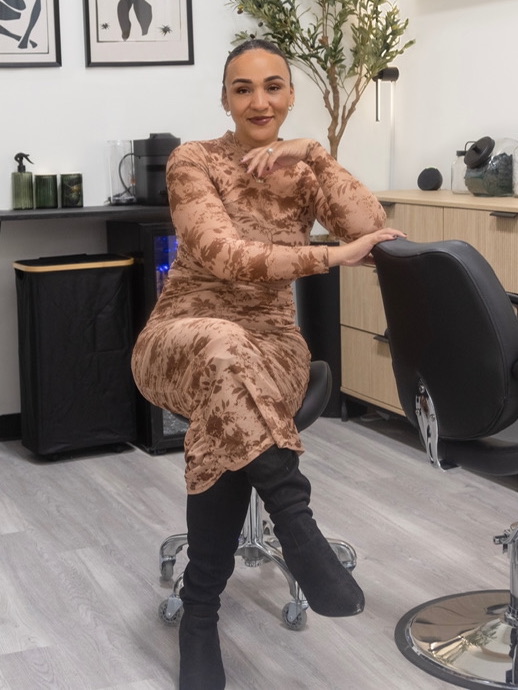
Leya Graham is a skilled and passionate hairstylist with over 20 years of experience in styling and color. While she has had incredible opportunities to work at numerous media events, her favorite place to be is in the salon, making her clients feel amazing. There is nothing quite like the joy of transforming someone’s look and seeing their smile when they catch a glimpse in the mirror.
As a color enthusiast, Leya believes that every shade tells a story. Whether a client is dreaming of a bold new hue or a soft balayage, she is dedicated to helping them find the perfect match that makes them feel their best. She loves chatting with her clients, sharing laughs, and creating a fun, relaxed atmosphere where they can truly unwind.
As someone with naturally curly hair, Leya understands firsthand the unique beauty and challenges that come with textured hair. Her personal journey has given her a deep appreciation for different hair textures, and she has dedicated herself to mastering the art of styling and caring for all hair types.
She has had the privilege of working with clients with a diverse range of hair textures—from straight and wavy to coily and kinked. Understanding that each type has its own unique needs and characteristics, she emphasizes the importance of education for anyone looking to embrace their natural hair. By understanding factors such as porosity, density, and curl pattern, she helps clients make informed choices about products and styling techniques.
For Leya, hairstyling is not just about creating beautiful looks; it’s about celebrating the individuality that each texture brings. She tailors her approach to suit the specific needs of each client, ensuring they leave feeling confident and empowered. By sharing her knowledge and experiences, she strives to create a supportive and inclusive environment where everyone can learn to love and care for their hair, no matter its texture. She believes that every curl, wave, and straight strand deserves to be celebrated, and she is committed to helping others embrace their natural beauty with confidence.
When she’s not behind the chair, Leya enjoys experimenting with new color techniques, spending time with friends and family, and traveling.
For those ready for a hair adventure, she is excited to bring their vision to life and make some magic happen at Manna Hair Studio, located at 611 Washington Boulevard, Suite 158, Jersey City, NJ 07310.
Book an appointment with Leya here!
Would you dye your natural hair?

 Alexa Alfonso